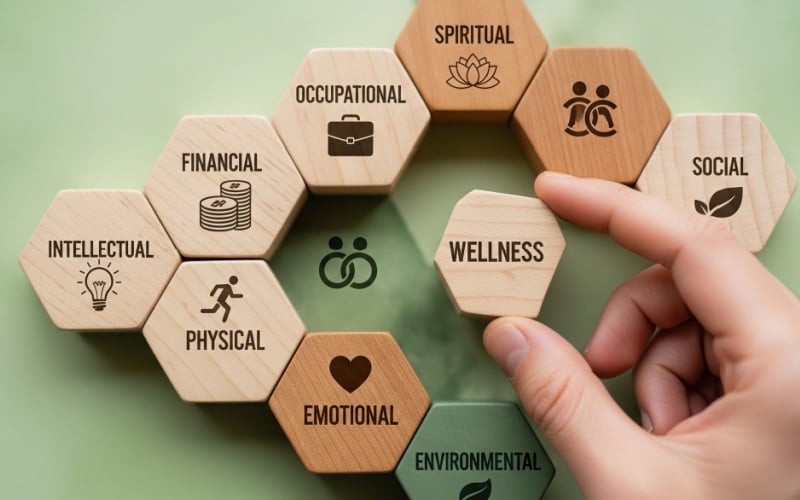
Today’s employees want more than basic health coverage. Wellness has become a core business strategy, driven by younger generations and a growing focus on personalization, priority, and purpose. In 2026, organizations are rethinking how they support their workforce physically, emotionally, socially, and professionally. Here are key trends shaping workplace wellness this year.
- Gen Z and Millennials Are Defining Wellness
Generation Z (Gen Z) and millennials now make up most of the workforce and are redefining wellness expectations. Born between 1981 and 2012, they prioritize holistic well-being, flexibility, and inclusiveness. Stress, burnout, anxiety, and worry are top mental health concerns for Gen Z and millennials, and they’re prioritizing health and sleep.
For them, wellness is a daily priority, not an occasional treat, and they are willing to invest in it, especially in wearable technology, wellness coaching, fitness and recovery, nutrition, skin and hair care, sexual health, and somatic healing.
These younger employees want a personalized, science-backed, holistic approach that supports recovery and long-term health.
2. Mental Health Becomes Mental Fitness
The conversation around mental health is shifting toward mental fitness, building resilience and emotional strength before burnout or crisis occurs. Just as regular exercise supports physical health, proactive mental health practices are essential to overall well-being and a resilient workforce.
In response, more employers are offering mental health coaching, dedicated mental fitness days, enhanced employee assistance programs (EAPs), and subsidized mental health apps. They are also working to normalize mental health conversations and training managers to recognize signs of stress and burnout. This approach treats mental health as a skill to be developed, supported by modern tools and resources that help employees stay resilient and address issues early.
3. Spotlight on Women’s Health Support
Women’s health is reshaping workplace wellness. Employees are seeking fertility support, menopause care, and maternal health resources, yet Maven’s 2025 report shows only 40% of organizations provide fertility services, 49% offer prenatal support, and just 21% include menopause-specific benefits.
As Gen X women (born 1965–1980) enter perimenopause and menopause, they are speaking up, requesting clearer information, and advocating for treatment options such as hormone therapy. This growing conversation underscores the need for comprehensive support across every stage of women’s reproductive health. In response, more employers are adding fertility benefits, enhanced maternity, menstrual, and menopause support.
These initiatives show that women’s health is central to workforce well-being, not a niche concern. Gen Z, millennial, and Gen X employees increasingly expect robust women’s health support, from fertility and maternity care to menopause resources and more.
4. Building Financial Resilience
Economic uncertainty along with rising health care and living costs have pushed financial wellness to the forefront. Employees increasingly connect financial stress with mental health challenges, making financial well-being a critical pillar of workplace wellness. Vanguard research shows that nearly 75% of Americans fell short of their saving and spending resolutions in 2025, yet many are ready to recommit and feel optimistic about 2026.
While most workers are worried about the economy, their concerns differ by generation: baby boomers focus on unexpected expenses, millennials struggle within sufficient income, and Gen Z is most likely to live beyond their means. In response, more employers are turning to benefits such as expanded employee assistance services, student loan repayment support, and retirement planning resources.
Just as mental fitness builds resilience, today’s workforce is seeking financial resilience to better handle life’s uncertainties and employers are in a strong position to help them build it.
Employer Takeaway
Health and wellness are evolving and can look different across generations. While wellness is personal, employers are well positioned to offer meaningful support. As these trends shape employee expectations, organizations can review their current wellness programs and identify opportunities to strengthen support for their workforce in 2026. Download the bulletin for more details.
